Authenticity thrives where insecurity ebbs: a note to marketers
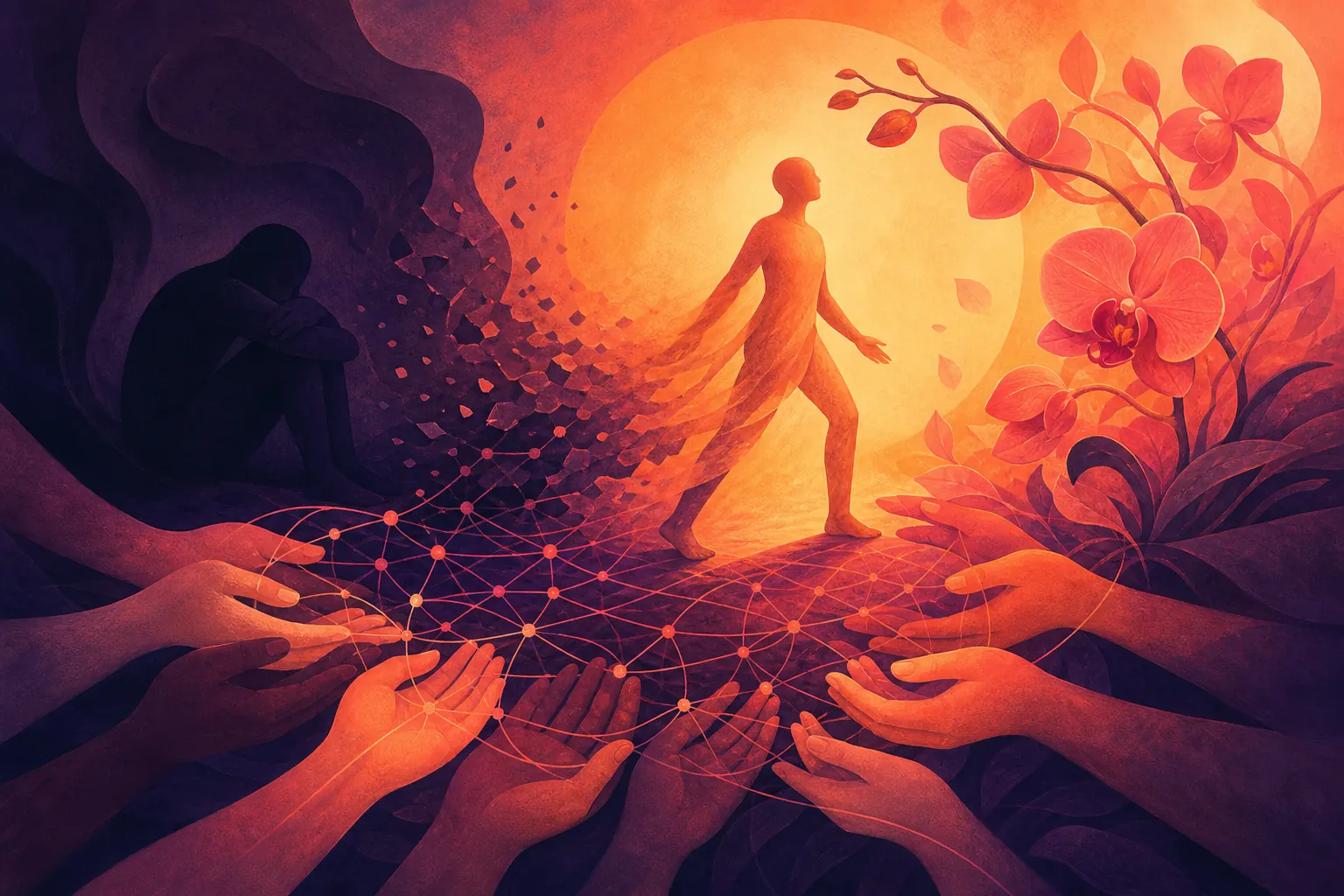
Authenticity in marketing is less about bold creative than about a confident team. When marketers feel insecure, they copy trends, inflate metrics and hedge every message. When they have evidence they trust and colleagues to test ideas with, they make specific, honest choices. Lowering insecurity is the most practical route to authentic brand work.
Why start an audience-psychology blog with marketers' psychology?
Because the people making brand decisions are an audience too, and their tensions shape every campaign you see. Listening across marketing communities in Singapore and the region, one insight keeps returning: authenticity thrives where insecurity ebbs. Marketers who feel like imposters, especially after a promotion or a move into a new market, reach for safety. Safety often looks like whatever competitors did last quarter.
That has a cost for the brand. A team that fakes certainty produces work that feels faked. Audiences in Southeast Asia, who read relational cues carefully, notice.
What does marketer insecurity look like day to day?
- Trend chasing: copying a viral format because it feels defensible, not because it fits.
- Metric theatre: leading with impressions and inflated ROAS because they look good in a deck.
- Hedged messaging: claims softened until they say nothing, to avoid being wrong.
- Silent meetings: nobody challenges the brief because nobody wants to look uncertain.
- Fear of AI: worry about replacement leading to either uncritical adoption or quiet resistance.
Key ideas
- Imposter syndrome: persistent doubt about one's competence despite evidence of it.
- Psychological safety: a team belief that it is safe to take interpersonal risks such as admitting uncertainty.
- Evidence confidence: confidence that comes from data you can explain and defend, not from title or volume.
Why does face make this harder in Asia?
In face-conscious workplaces, admitting "I don't know" in front of a senior leader carries a real social cost. Juniors defer; seniors feel they must project certainty. That dynamic is not unique to Asia, but it is sharper where hierarchy and face shape meetings. The result is that uncertainty goes underground and surfaces later as a campaign that missed. We explore the customer-side version in face and feedback.
How do teams lower insecurity?
Three propositions from SOMIN's listening on this theme map neatly onto practice.
1. Know it before you show it
Replace "don't fake it till you make it" with evidence. Before a big presentation, ground each claim in what real audiences said. When challenged, you can point to the source rather than your seniority.
2. Trust facts, not fear
Separate what you know from what you fear. A simple exercise: list every assumption in a brief, mark each as evidenced or assumed, and only then debate the creative.
3. Confidence through collaboration
Test ideas with peers outside your reporting line, where face is less at stake. Communities such as Marketing Mondays, the Singapore marketers' community with a weekly show that decodes one real signal each Monday, exist partly for this reason: a room of peers who will tell you the truth kindly.
What does a team-level ritual look like?
- Open each brief review with the evidence. Five minutes on what audiences actually said, with sources.
- Name the riskiest assumption. Make it someone's job to say it out loud, which removes the face risk from any individual.
- Use a "known / unknown / bet" grid. It normalises uncertainty as part of strategy.
- Review results honestly. Look at real outcomes, not flattering proxies.
Where does Mindfuse fit?
Our work is audience psychology, but often the most valuable output of a tension study is the confidence it gives the team that commissioned it. When a brand manager can say "here is the tension, here are the posts that show it, here is the angle", the conversation with leadership changes. We run discovery on perspective studies from SOMIN, an AI audience-research platform, which keeps each finding traceable. SOMIN's vision page sets out why evidence over assumption matters, and the Exostride case study shows audience research grounding a brand's decisions.
If your insecurity is specifically about AI and where it fits, GPT5 Marketing helps leadership teams redesign workflows around reasoning models with evidence at the centre.
Checklist: is insecurity shaping your work?
- Did we choose this format because it fits, or because it is safe?
- Can every key claim in the brief point to evidence?
- Did anyone voice a doubt in the last review?
- Are we reporting the metric that matters or the one that flatters?
How do leaders lower insecurity in their teams?
Leaders set the temperature. When a senior person says "I'm not sure, what does the evidence say?", it gives everyone else permission to admit uncertainty without losing face. Leaders can also separate judgement of ideas from judgement of people, praising the quality of a challenge even when the idea is rejected. In practice that means asking juniors to speak first in reviews, rewarding the person who spotted a flawed assumption and sharing their own mistakes in plain language. It also means resisting the temptation to demand certainty in every forecast, because demanded certainty is how teams learn to fake it. None of this is soft. Teams that feel safe surface risks earlier, kill weak ideas faster and ship work that sounds like a real brand rather than a nervous one.
The point of view
Brands are authentic when the people behind them feel secure enough to be specific. Evidence and community lower insecurity faster than any training on "being bold". Start there, and authentic work follows.
Want a tension study your team can stand behind in the boardroom? Write to ask@mindfuse.sg.
Frequently asked questions
Is imposter syndrome common in marketing?
It is a recurring theme in marketers' public conversations, especially around promotions, new markets and AI. It is not a personal failing; it is a predictable response to high visibility and uncertain data.
How does evidence reduce insecurity?
Evidence gives people something to point to other than their own authority. That makes it easier to defend a decision and to admit what is still unknown.
What is psychological safety?
A shared belief in a team that it is safe to take interpersonal risks such as admitting mistakes or uncertainty. It strongly predicts how honestly a team works.
Start a tension study
Mindfuse is a consumer-psychology and cultural-insight consultancy. We decode personas, tensions and cultural codes from real conversations, then turn them into briefs your teams can act on.
Email ask@mindfuse.sg →