Kiasu, reframed: loss aversion as a design brief
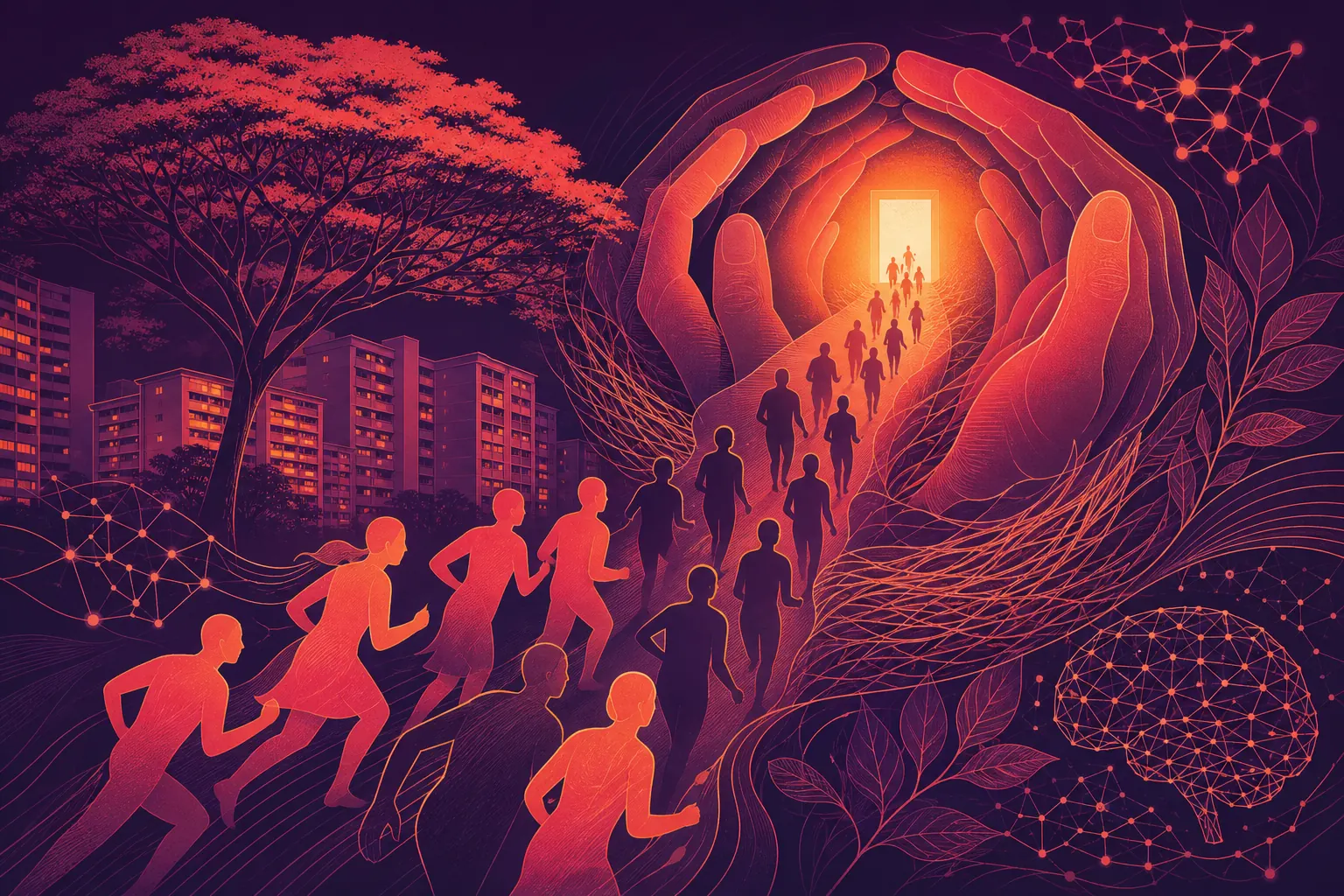
Kiasu, the Hokkien-derived word for a fear of losing out, is best read by marketers as a signal of loss aversion rooted in care and preparation, not as greed. Brands that respect it reduce the risk of missing out with clarity, fairness and certainty. Brands that exploit it with fake scarcity damage trust quickly.
What does kiasu actually mean for marketers?
The word is used affectionately and critically in Singapore, often in the same sentence. People joke about queueing for a free tote bag or booking enrichment classes before a child can walk. But listen to the conversations underneath the jokes and a different motive appears: a desire not to let down family, not to be the one who did not prepare, not to be caught unprotected in an expensive, competitive city.
That matters because it changes the design brief. If kiasu were greed, the answer would be bigger discounts. Because it is mostly about avoiding regret and protecting others, the answer is certainty: clear rules, fair allocation, visible availability and a guarantee that waiting will not be punished.
We are careful not to treat kiasu as a national personality. Plenty of Singaporeans reject it, and similar loss-averse behaviour appears everywhere from Seoul to São Paulo. The useful question is not "are Singaporeans kiasu?" but "in which situations does fear of losing out drive this decision?"
Where does the kiasu tension show up?
- Education and enrichment: parents weighing a child's wellbeing against the fear of falling behind peers.
- Property and finance: first-time buyers anxious about timing a decision they cannot easily reverse.
- Retail launches: limited drops where people worry about unfair allocation more than price.
- Travel and festive booking: early bookings for school holidays and festive reunions, driven by fear of being left with nothing.
In each, the emotional job is the same: help me stop worrying that I missed something.
Definitions worth agreeing internally
- Loss aversion: the tendency to feel a loss more strongly than an equivalent gain.
- Anticipated regret: the imagined pain of a choice that turns out badly, which shapes decisions before they are made.
- Manufactured scarcity: artificial limits used to create urgency, which audiences increasingly detect and resent.
- Fairness signal: any visible proof that allocation is not rigged, such as ballots, queue numbers or caps per customer.
How do you design for kiasu without exploiting it?
We use a respect test with clients. A tactic passes if it reduces the audience's anxiety. It fails if it increases anxiety in order to harvest a click.
- Replace countdowns with clarity. Tell people exactly what happens if they wait. Often the honest answer, "the price stays the same until 31 March", converts better than a ticking timer because it removes the fear instead of feeding it.
- Make allocation visibly fair. Ballots, per-person caps and public stock levels speak to the real worry, which is being cheated by people who gamed the system.
- Offer reversible commitments. Free cancellation, holding deposits and trial periods let cautious buyers act early without the regret risk.
- Prepare people, do not pressure them. Checklists, comparison guides and "what to have ready" lists feel like a helpful friend to someone who likes to be prepared.
- Celebrate the planner. Treat preparation as care for family, not as anxiety. This is where respectful creative lives.
Why does fake scarcity backfire here?
Because the same audience that worries about missing out is also highly alert to being played. Singapore consumers compare prices across platforms, share screenshots in group chats and remember the brand that ran "last chance" for six weeks. When a scarcity claim is discovered to be false, the loss-averse response flips: the thing to avoid losing is now dignity, and the brand becomes the risk.
This is a direct line to the broader insight we work from at Mindfuse: authenticity thrives where insecurity ebbs. Fake scarcity raises insecurity. Honest certainty lowers it, and people reward that with trust. We explore the same dynamic from a different angle in honesty versus kindness in SEA marketing.
How do we find the real kiasu triggers in a category?
Every category has its own version of the fear. For a tuition brand it might be exam season; for a bank it might be the moment a fixed-rate period ends. You find these by reading what people say when they are worried, not by asking them to rate how worried they are.
Mindfuse runs those discovery studies on SOMIN's strategy and perspective tools, which cluster real conversations into personas, tensions and moments while keeping each conclusion traceable to its source posts. For a sense of how audience insight turns into campaign decisions in an education context, the Viva School case study is worth reading.
We have also talked through loss-averse buying with practitioners at Marketing Mondays, the Singapore marketers' community and weekly show, where one real signal gets decoded each week. The recurring takeaway in those sessions is simple: people do not mind being nudged; they mind being tricked.
Respect checklist
- Does this message reduce the fear of missing out or amplify it?
- Is every deadline and limit real and stated plainly?
- Can a cautious buyer act early and still change their mind?
- Would we be comfortable if a screenshot of this went into a family group chat?
- Have we avoided using the word "kiasu" as a joke at the audience's expense?
What should a team do in the next quarter?
Pick one high-stakes purchase in your category and map every point where a customer might fear missing out: launch day, price change, stock-out, application deadline. For each, write down what the customer is actually afraid of losing. It is rarely the product itself. More often it is the chance to provide for family, the fairness of the process or the comfort of having prepared. Then rewrite the message at that point to remove the fear rather than amplify it. Run the new version against the old one and watch not just conversion but complaints, refunds and screenshots shared in public. Loss-averse audiences reward brands that make waiting safe, and they talk about it.
The point of view
Kiasu is not a weakness to exploit. It is a precise description of what people need from you: reassurance that they are prepared, treated fairly and not about to regret a decision. Brands that design for that will win the long game in Singapore, and the same principle travels well across Southeast Asia, where family obligation and preparation run deep.
If you suspect your category has a loss-aversion tension you are not addressing, start a tension study with us at ask@mindfuse.sg.
Frequently asked questions
Is it offensive to use the word kiasu in advertising?
It can be. Used affectionately by people within the culture it can land well, but as a brand punchline it risks mocking the audience. Designing for the underlying need is safer and more effective.
Does urgency messaging still work in Singapore?
Real urgency, stated plainly, works. Manufactured scarcity is quickly detected and shared, and it tends to cost more trust than it earns in conversions.
Is kiasu unique to Singapore?
The word is Singaporean and Malaysian, but loss aversion is universal. What is local is how it connects to family obligation, competition and preparation in specific situations.
Start a tension study
Mindfuse is a consumer-psychology and cultural-insight consultancy. We decode personas, tensions and cultural codes from real conversations, then turn them into briefs your teams can act on.
Email ask@mindfuse.sg →